On Friday, June 20 we moved from Kearney to Lake Ogallala State Park. There were several things to see on the short ride so we stopped, Airstreams in tow to visit and learn.
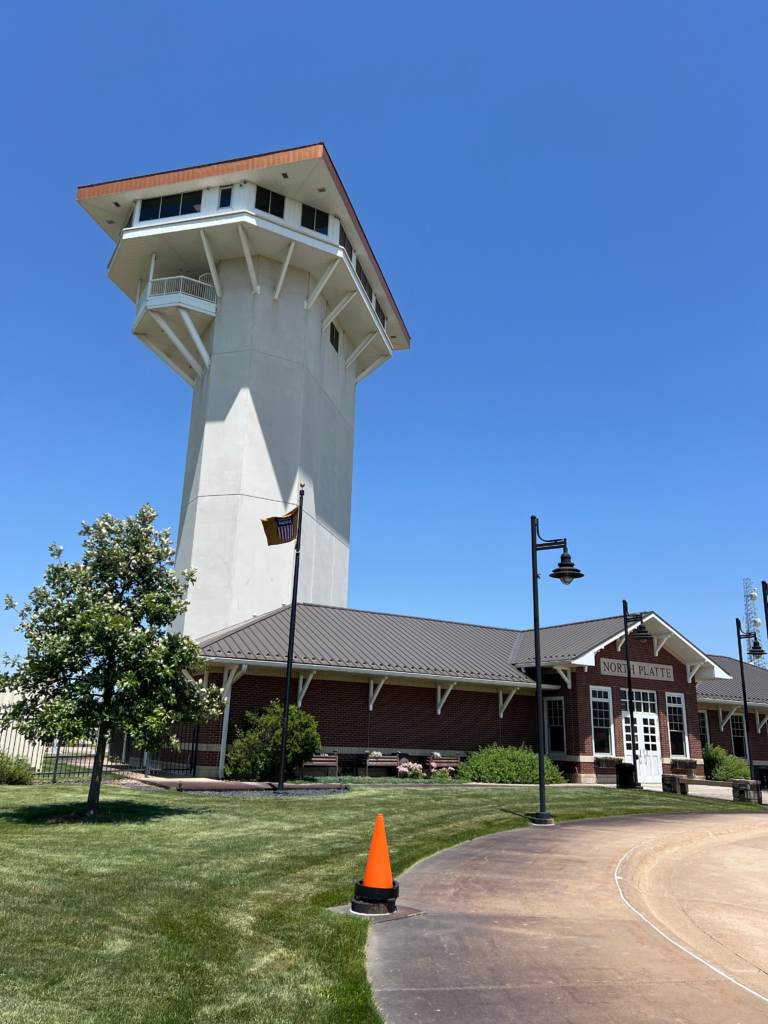
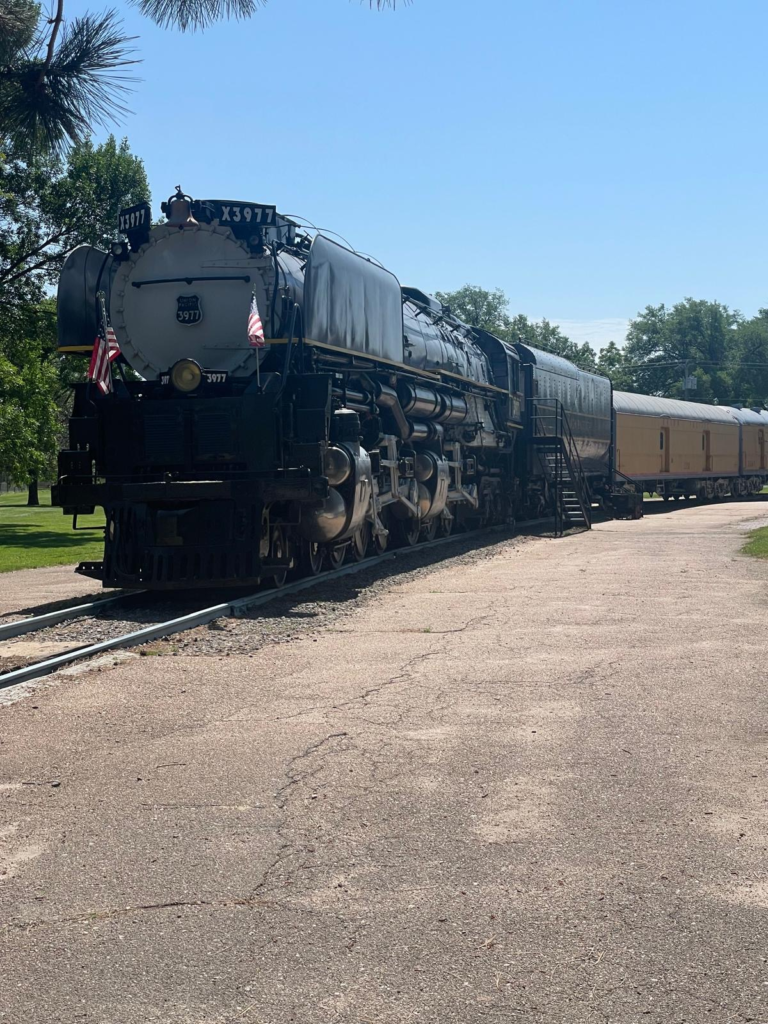
First was the Golden Spike Tower and Visitor Center. This is a massive railroad yard with historical displays and a tower where you can view the surrounding area. Now, a tower in this part of Nebraska doesn’t have to be too tall to let you see quite a lot. Our dogs loved this stop as the tower and center was completely dog friendly and let them come in out of the heat, ride up the elevator and enjoy the view.

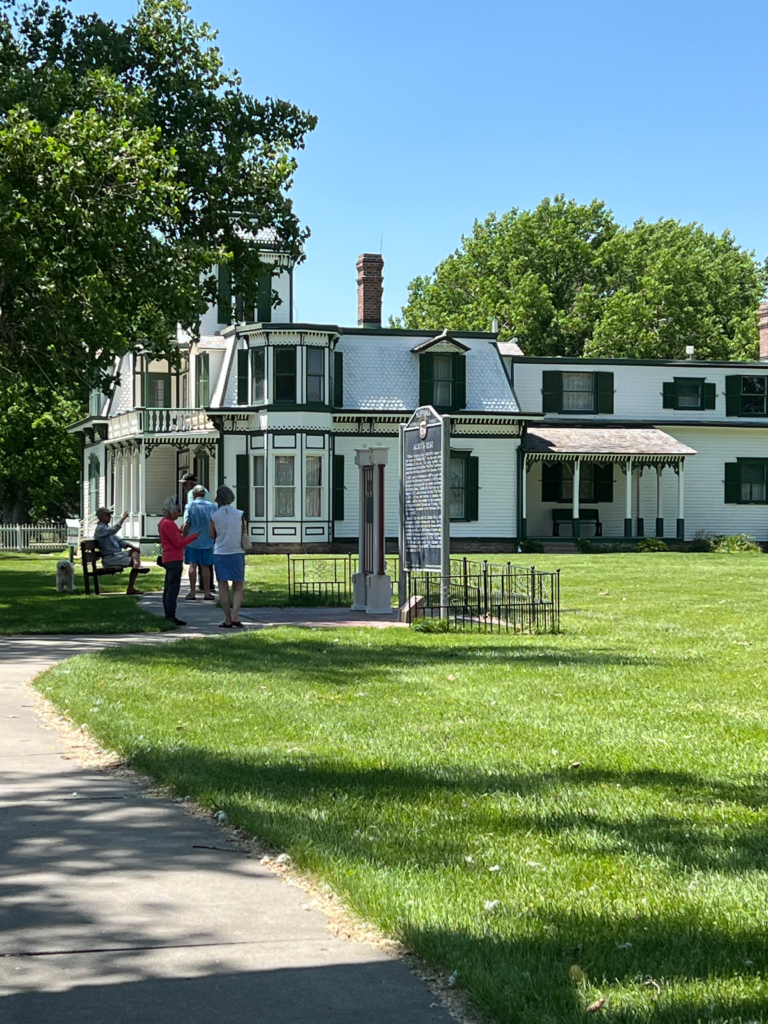
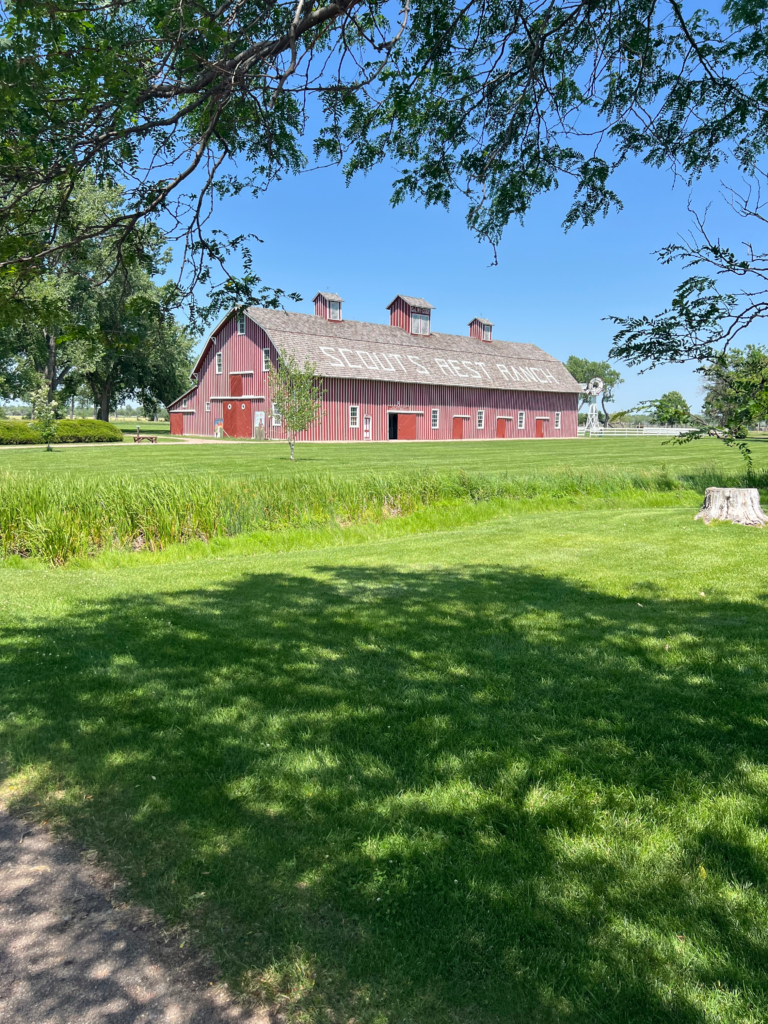
Then it was back on the road for a while and off to visit Buffalo Bill’s Scouts Retreat and Park. This was a idyllic setting with beautiful grounds and buildings to visit.

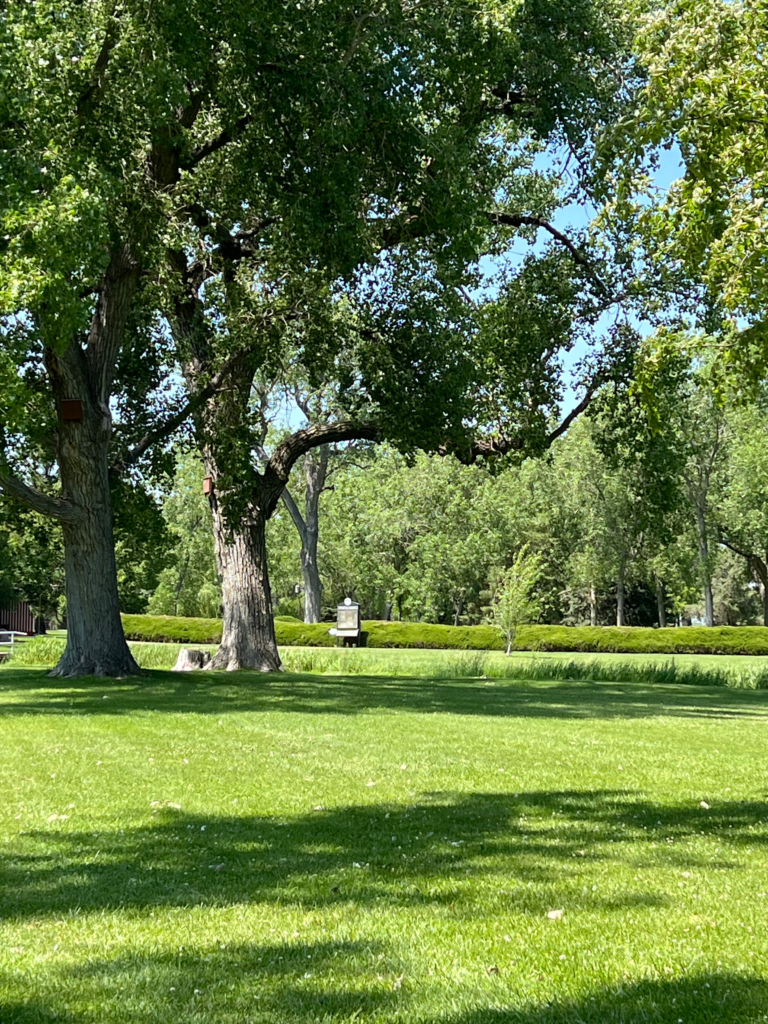
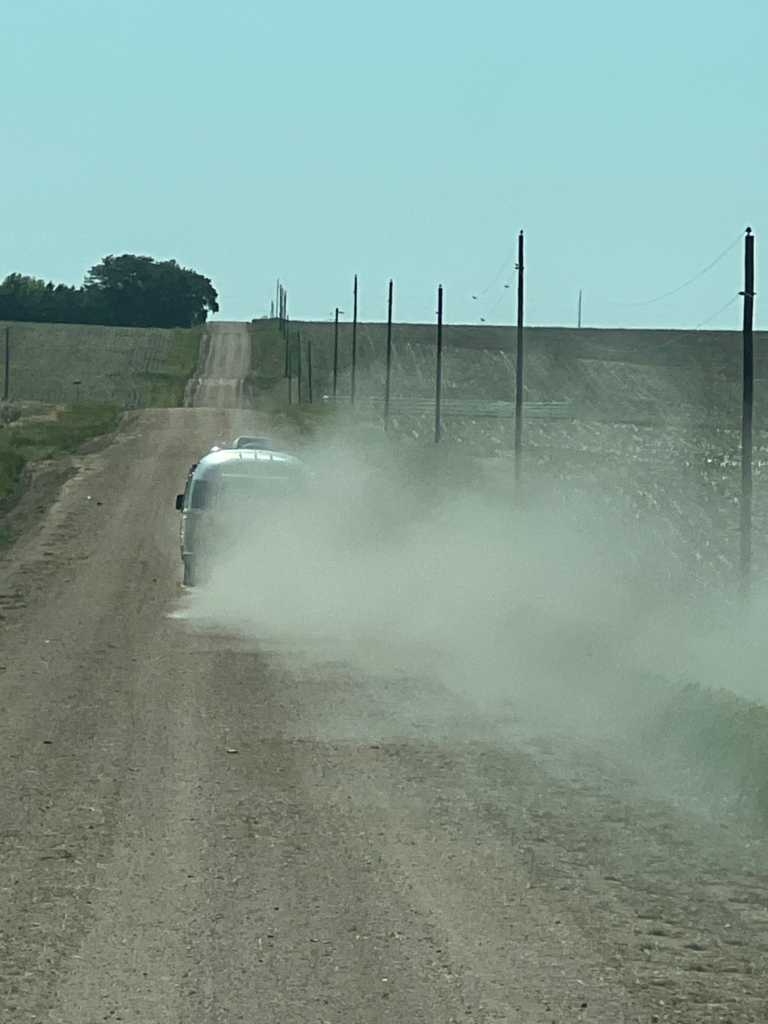
About this time our GPS decided to play games with us, sending us in circles or on routes that no sane persion would take. The first was a dirt road, a dusty dirt road for miles. While we were rather amazed that was a standard route, turns out most everyone else was actually on the pavement!
Lake Ogallala was a pretty campground with bugs…lots of bugs. Most notibly biting flies and ticks, neither of which were particularly friendly. One night after dark we opened the door to let the dogs out for a minute and no fewer than 100 critters came right on in! We quickly learned to extinquish all interior lights, sneak up to the door and race out without stalling to prevent unwanted visitors.

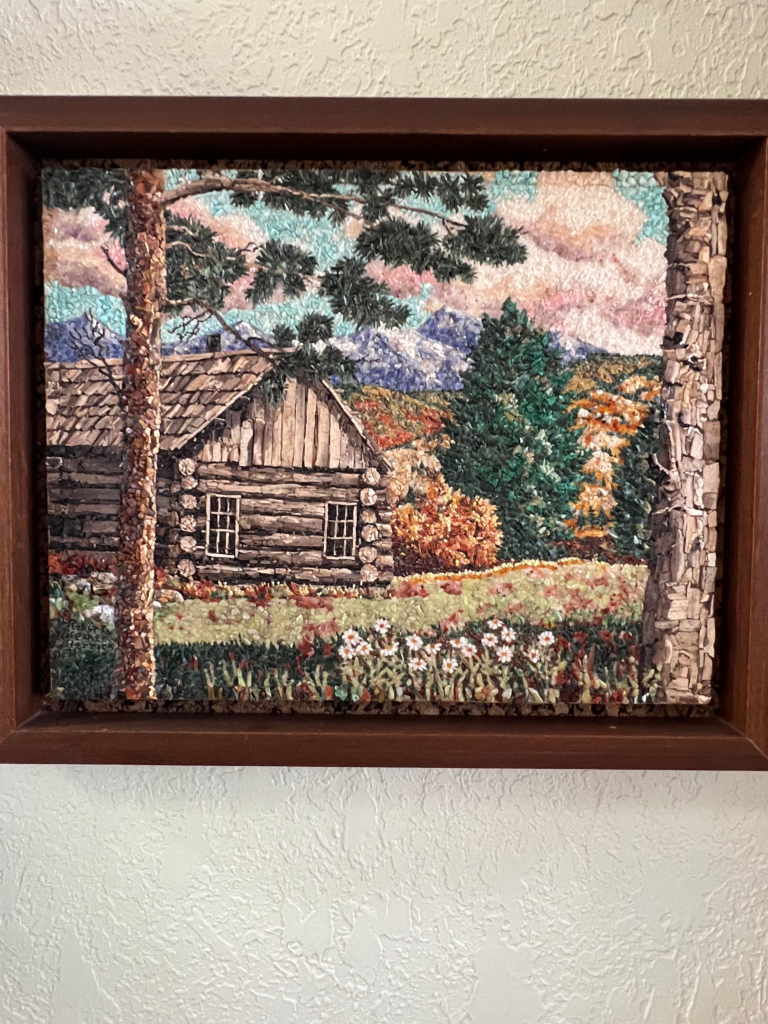
One facinating stop at Ogallala was a Petrified Wood Gallery. Twin gentlemen had colllected petrified wood and stone for most of their lives and when they past away the town decided to keep their shop as a museum. So the town collected the funds to do just that and it was a pretty amazing place. Local artists have a change to display their work as well. Art and petrified wood? These gentlement created pictures of bits of stone or wood that are 3D and totally amazing.

The Ash Hollow ruts were the next thing we visited on this portion of the trip. This is a solid rocky outcropping that the pioneers had to move down in order to still follow the Platte River, it also had sweet water rather than the murky muddy water of the Platte. It provided water, shade and food for the travelers. The wagons were unhitched and the oxen lead to the bottom far from the hillside. Then the men lowered the wagons down the hill, some in front and other posted behind to keep the wagon from flipping.
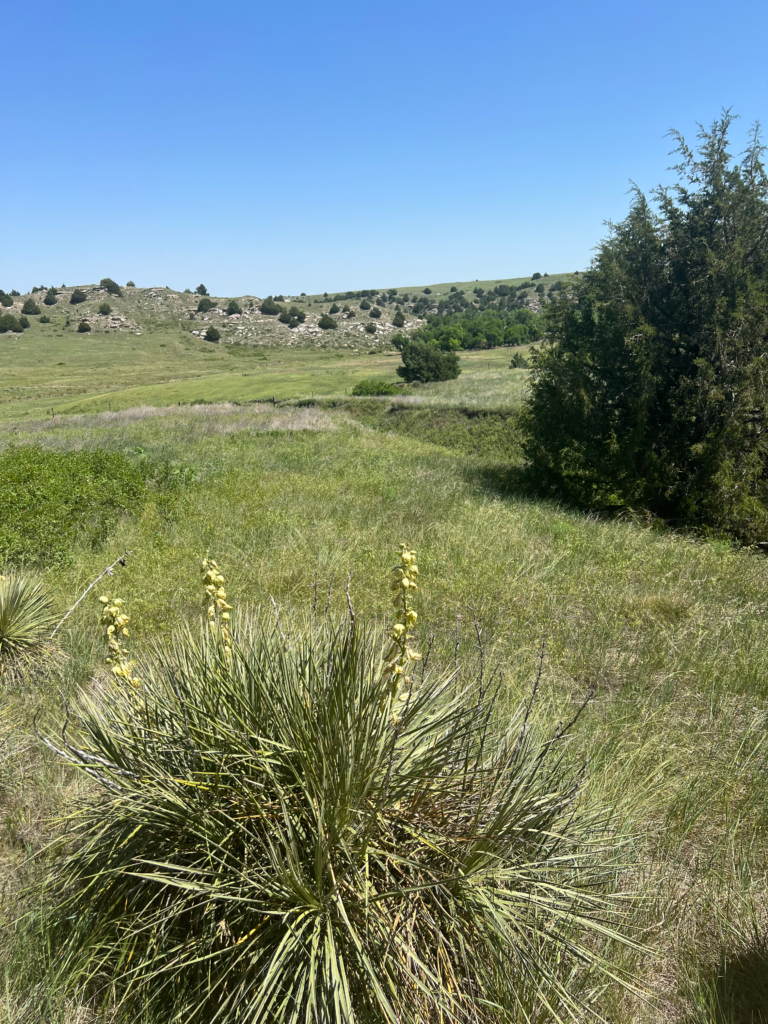

Those grooves in the rock were made by the wheels of the wagons as they were lowered down this ridge, usually by hand with men in front or in back.
And then, it was off to the next stop!